
After a Few Seasons


Rafael Kamada
September 26th - February 28th, 2026
Storage
52 Walker Street
4th Floor
Tribeca, New York 10013
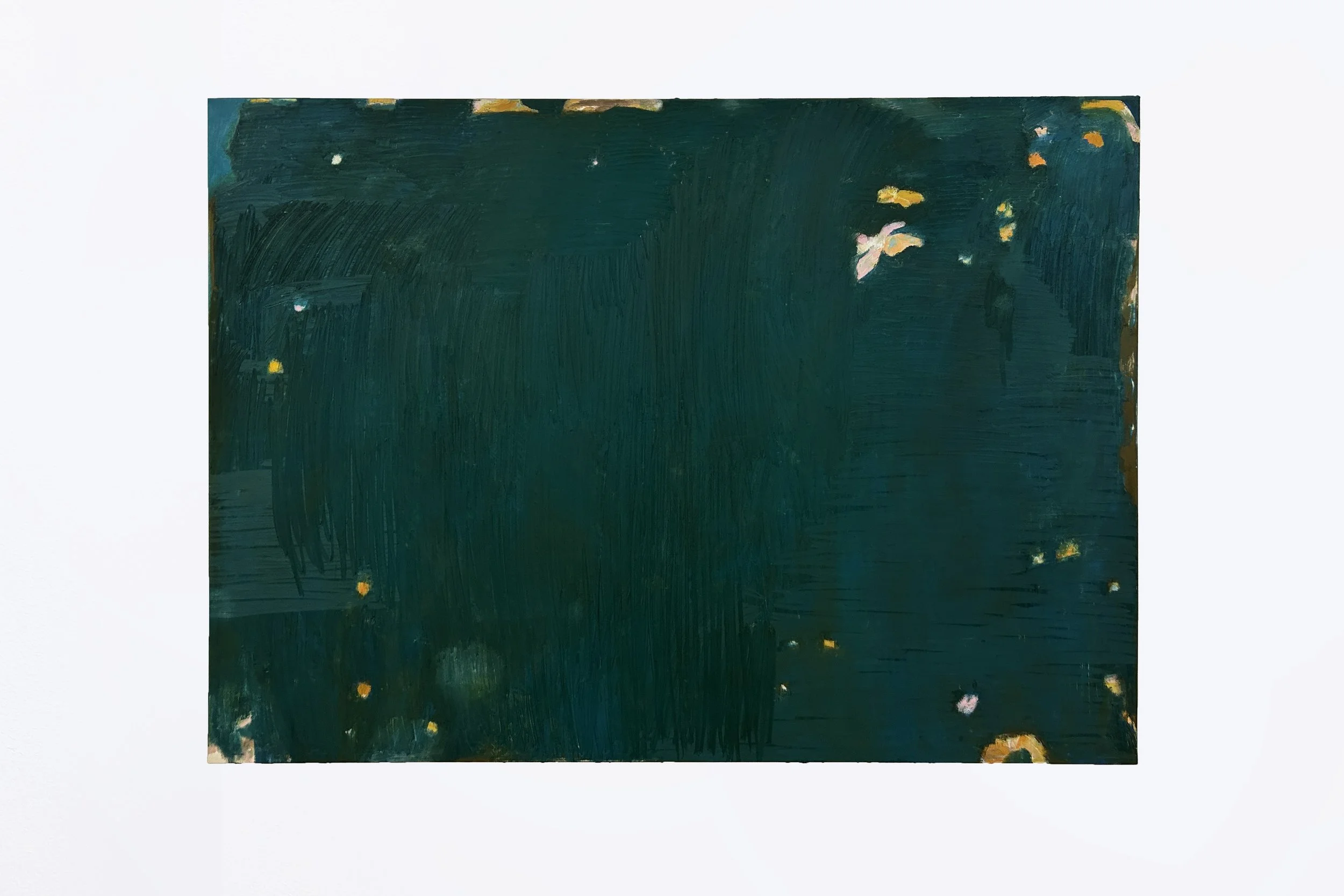
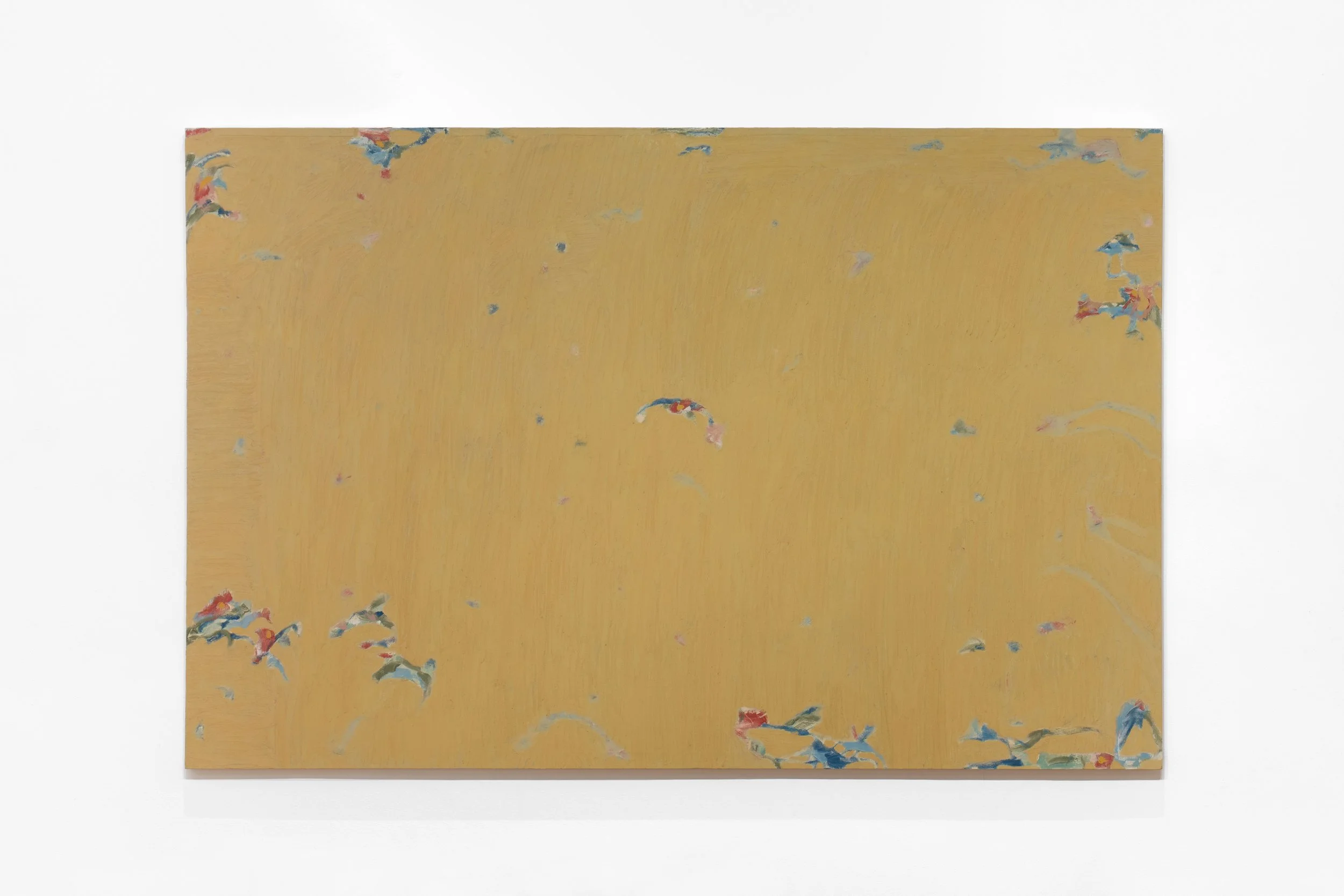
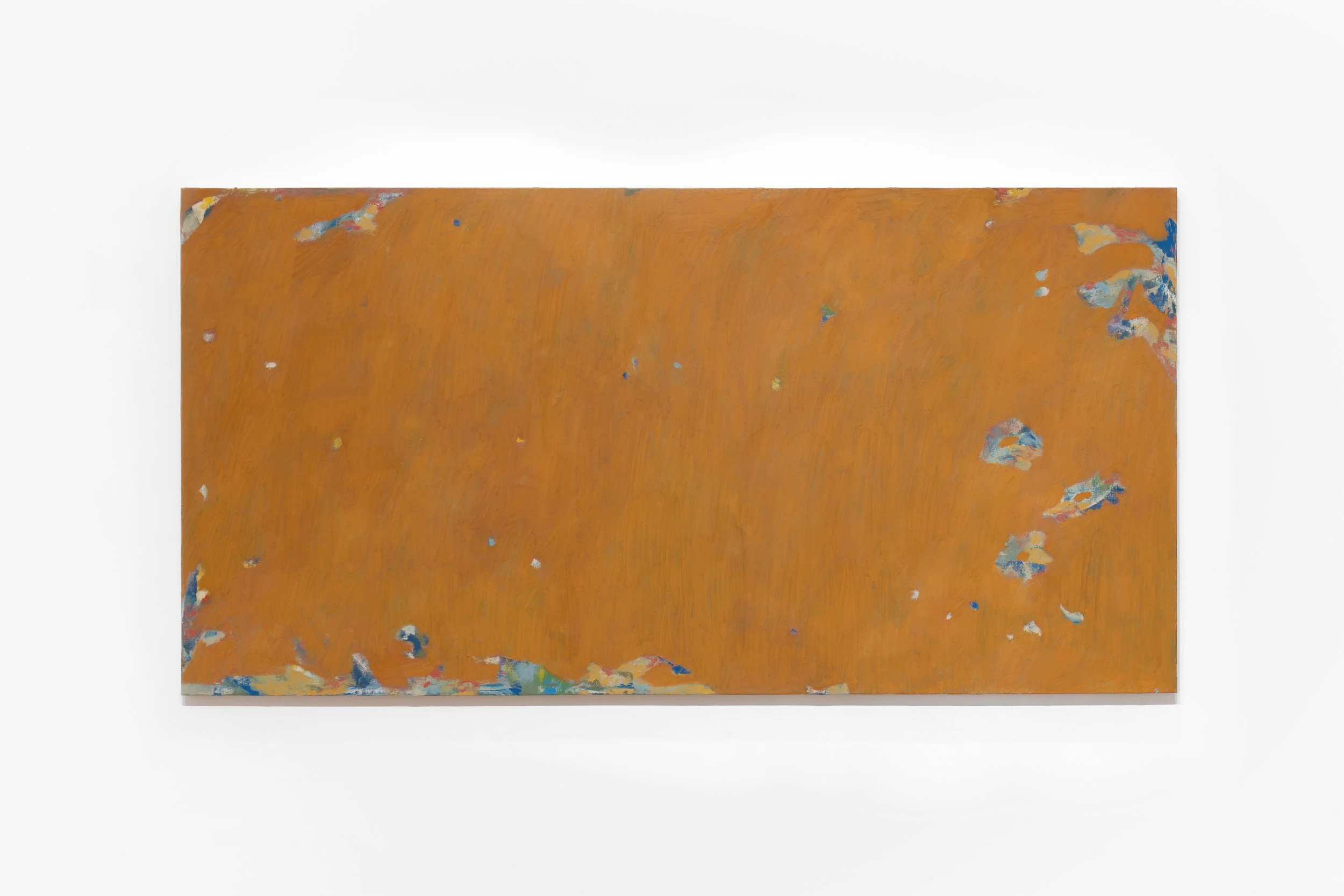
Storage is proud to present the debut solo exhibition of Rafael Kamada (b. 1993, Lives and works in Brazil), on view from Friday, September 26th extended through Saturday, February 28th, 2026. Comprising a suite of recent oil paintings, the exhibition brings together works that dwell in the liminal space between figuration and abstraction, surface and memory, presence and erasure.
Kamada’s paintings offer no clear point of entry. Their strength lies not in depiction but in atmosphere, in how they evoke a remnant of landscape, a momentary bloom, or the shadow of a structure dissolving in light. Colors are a method of spatial construction rather than adornment. Through a slow and layered process of application, removal, and reapplication, Kamada builds surfaces that carry the weight of time while remaining open to disruption. Every composition emerges from what has been covered over, what glimmers through, and what refuses to disappear.
As Beatriz Almeida, researcher and critic, writes: “Kamada is always painting a place—a remnant of landscape. Nature appears not as a subject, but as a motif... as if [these paintings] were attempts to reconstruct something that has already slipped away.” The result elevates the work beyond a scene to a sensation, becoming fragments of memory refracted through brushstroke and wax.
Rafael Kamada’s pictorial practice evokes traces of a natural world—suggestions of landscapes that dwell in the subtle boundary between figuration and abstraction. His process emerges from the conditions of making itself, marked by an unstable balance between control and improvisation, revealing painting as a field of simultaneous construction and erasure. Color acts as the structuring synthesis of space, while remnants of previous layers unveil a composite temporality that lingers on the verge of disappearance.
Working primarily at night and without preparatory sketches, Kamada’s approach blends instinct and inquiry. His process is informed by a quiet rigor: an ongoing mentorship with painter Paulo Pasta and a study of art history with critic Rodrigo Naves ground his intuitive practice in historical lineage. While rooted in the material language of painting itself, his influences span East and West: the spatial logic of Japanese printmakers Hokusai and Hiroshige resonates with his flattened planes, while the atmospheric touch of Monet or Diebenkorn lingers in the shifting light of his larger compositions.
Kamada borrows from the language of Neo-Concrete painting, embracing greater fluidity, sensuality, and poetic nuance. This tension is especially present in Kamada’s newest large-scale works, where horizontal washes collide with sudden vertical swipes, and thick brushstrokes fade into spectral patches of bare linen. Despite their scale, these paintings maintain a quiet intimacy; they do not demand attention so much as reward looking.
-
Opening Reception
Friday, September 26th from 6-8pmStorage Tribeca
52 Walker St, 4th Fl, New York, NY 10013Additional Programming
To Be Announced -
Rafael Kamada (b. 1993) lives and works in São Paulo, Brazil. He has participated in the group exhibitions Turning Point (Galeria Almeida e Dale, São Paulo, 2025), The Silence of Tradition: Contemporary Paintings (Centro MariAntonia at USP, São Paulo, 2025), Japan: From Ancient to Contemporary (Galeria Ricardo Von Brusky, São Paulo, 2022); and the art fair Rotas Brasileiras (Galeria Claraboia, São Paulo, 2024).
-
Storage is an artist-run gallery founded by Onyedika Chuke on the ideals of community, discovery, and connoisseurship. With locations in Tribeca and with a viewing room on the Bowery, Storage acts as an archive of makers that work in a range of materials and come from a wide demographic background. Half of the roster is dedicated to reinvigorating the careers of artists of historical prominence, while the other half focuses on nurturing rising artists. With a strong focus on art by women and people of color, Chuke guides Storage’s nontraditional approach to community building, commerce, and mutual aid.